Sacred Mountains and Samurai Railways: Japan's Ultimate Rail Adventure
Journey through Japan's most spiritual landscapes by luxury rail

The Path of the Ancient Warriors
Long before bullet trains transformed Japan's landscape, samurai warriors traversed mountain paths that connected sacred temples and feudal strongholds across Kyushu. Today's luxury rail adventure follows these ancient routes, offering modern travellers a chance to experience Japan's spiritual heartland at the contemplative pace it deserves.
Kyushu, the southernmost of Japan's main islands, remains the most traditional and spiritually significant region of the country. Here, sacred mountains rise from volcanic plains, creating landscapes that have inspired centuries of Japanese art, poetry, and philosophy.
Mount Fuji's Southern Cousins
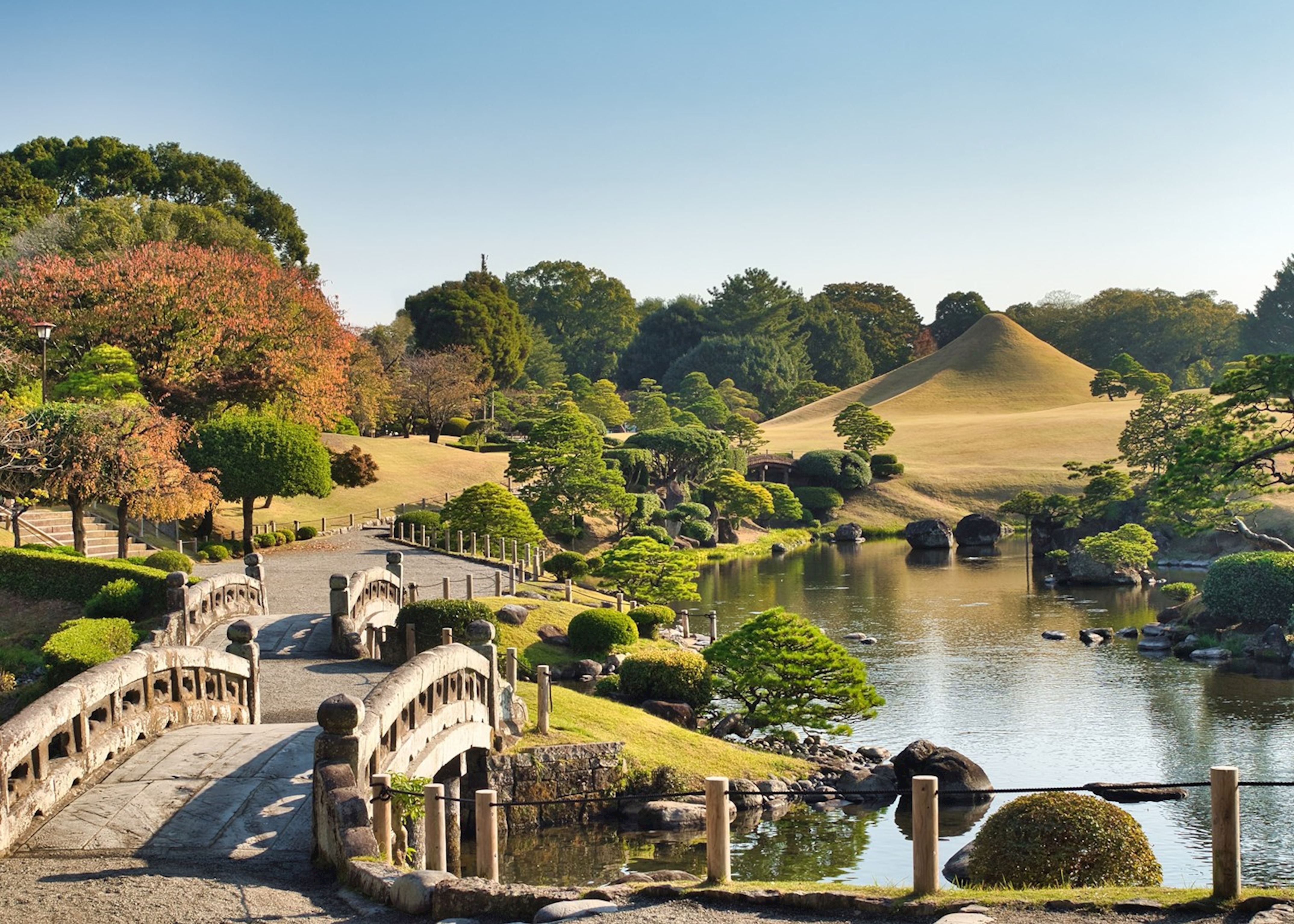
While Mount Fuji captures international attention, Kyushu's volcanic peaks offer equally dramatic beauty without the crowds. Mount Aso, one of the world's largest active volcanoes, creates a landscape so otherworldly that Japanese mythology places it among the first lands created by the gods.
The Kusasenri grasslands surrounding Mount Aso stretch to the horizon like a green sea, broken only by grazing horses that seem to float across the undulating terrain. This thousand-year grassland has been maintained by local communities using traditional burning techniques that create one of Japan's most distinctive landscapes.
The Seven Stars Route: Following Ancient Pilgrimage Paths
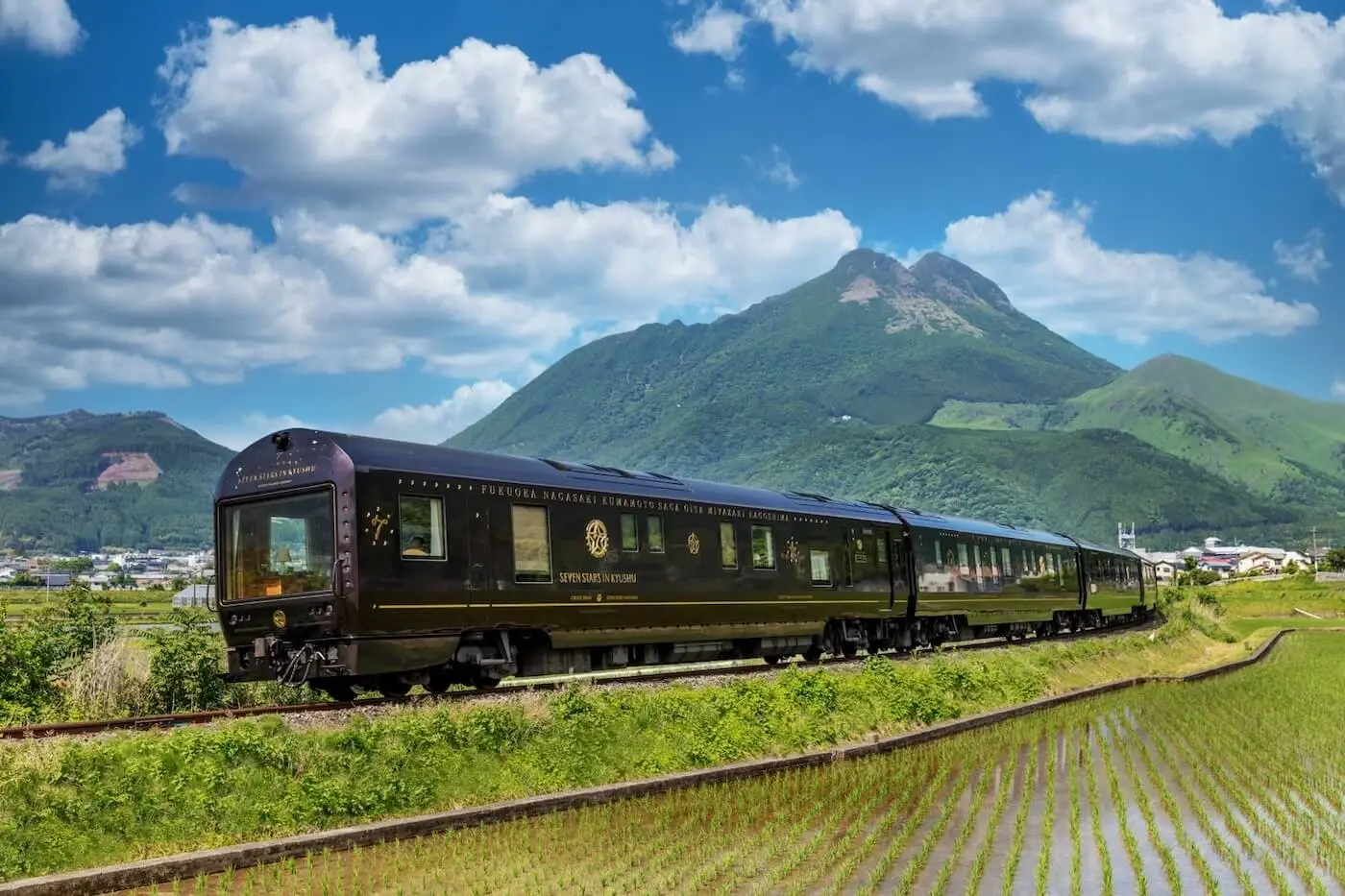
The luxury rail route through Kyushu traces pathways that Buddhist monks and Shinto pilgrims have followed for over a millennium. Each stop reveals layers of Japanese spirituality, from hidden temple complexes tucked into mountain valleys to sacred hot springs believed to possess healing powers.
Unzen, one of the journey's most significant destinations, combines natural wonder with profound spiritual significance. The area's hot springs have been celebrated since the 8th century, when Buddhist monks established temples to harness the healing power of the volcanic waters. The landscape here feels primordial, with steaming fumaroles and bubbling pools creating an atmosphere that inspired generations of Japanese artists.
Artisan Villages: Living Cultural Heritage
Unlike Japan's industrial centres, Kyushu's mountain villages preserve traditional crafts that have remained unchanged for centuries. The Arita porcelain workshops represent over 400 years of ceramic artistry, where master craftsmen still use techniques passed down through family lineages.
In Yamaga, traditional lantern-making continues using washi paper and bamboo frameworks crafted with mathematical precision. These aren't tourist demonstrations but living traditions where artisans create works of functional art for local festivals and ceremonies.
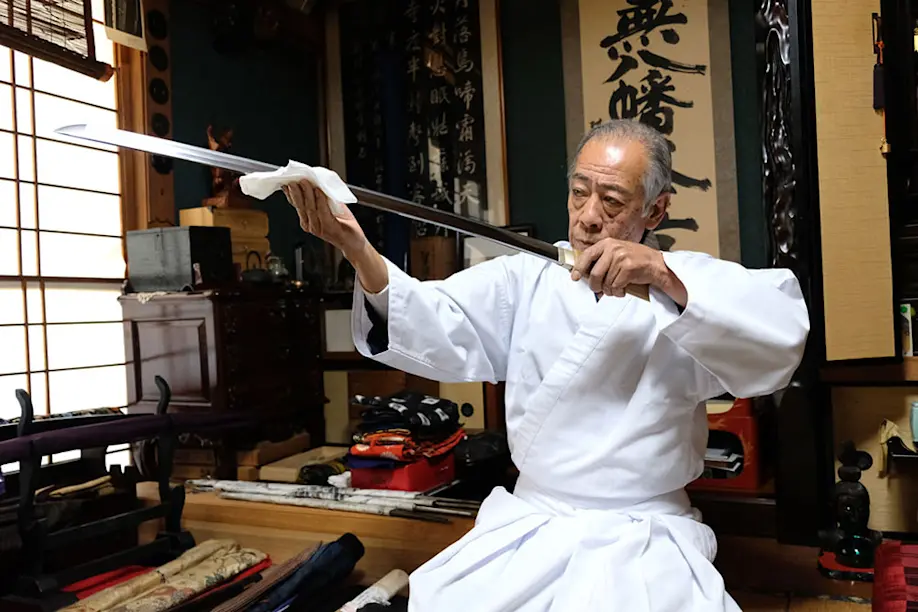
The Whisky Valleys of Kyushu
Hidden in Kyushu's mountain valleys, small-batch whisky distilleries practise an art form that blends Scottish traditions with uniquely Japanese sensibilities. These craft operations, often family-run for generations, create whiskies that capture the essence of their mountain environments.
The pristine mountain water, clean air, and seasonal temperature variations of Kyushu create ideal conditions for whisky maturation. Each distillery produces distinctive expressions that reflect their specific microclimate and the master distiller's individual approach to the craft.
Cherry Blossoms and Ancient Festivals
Kyushu's sakura season offers a more intimate alternative to Tokyo's famous but crowded cherry blossom viewing. Here, ancient temples frame the delicate pink blooms, creating scenes that have inspired Japanese poets for over a thousand years.
The region's traditional festivals, particularly the Yamaga Lantern Festival, showcase cultural practices that predate modern Japan. During these celebrations, entire communities participate in rituals that connect contemporary life to ancient spiritual traditions.
Hot Spring Culture: Healing Waters and Mountain Serenity
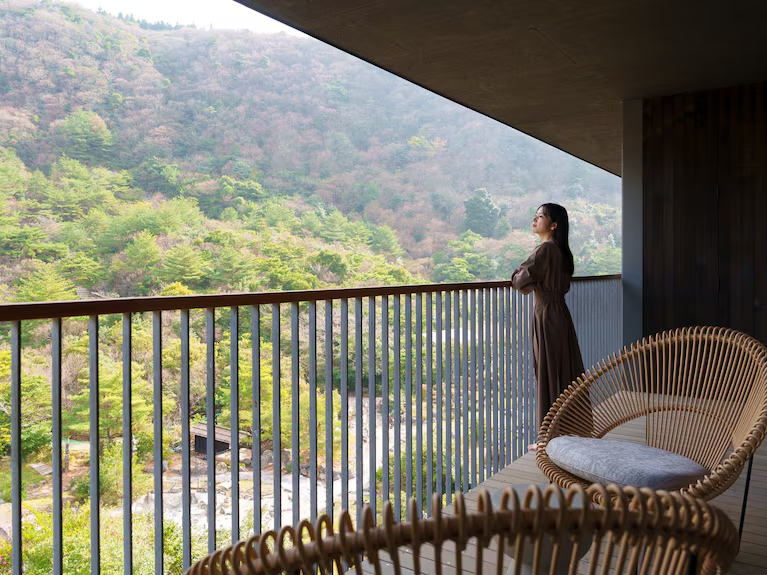
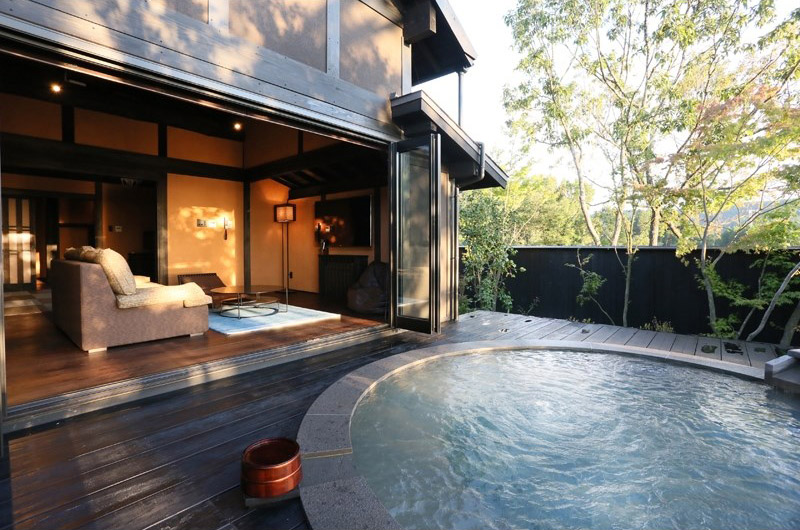
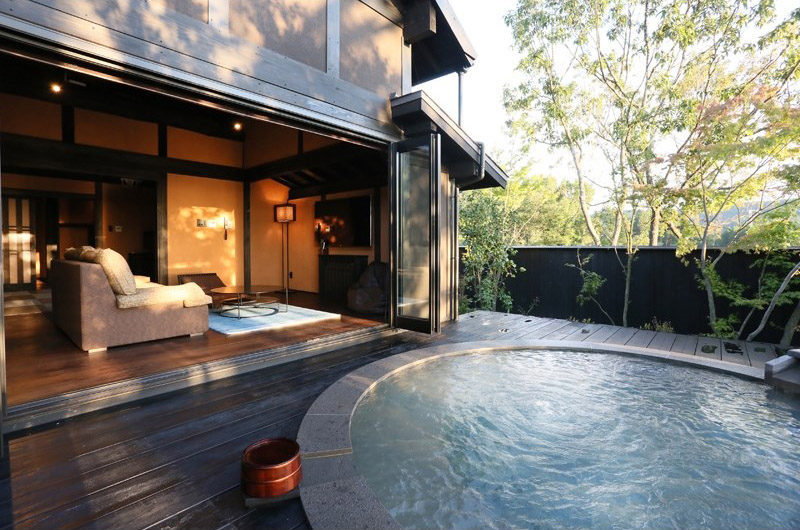
Kyushu contains more natural hot springs than any other region of Japan, each with distinctive mineral compositions believed to offer specific healing properties. The mountain onsen (hot springs) provide adventure travellers with the ultimate combination of physical challenge and spiritual renewal.
At Kurokawa, traditional ryokan (inns) cluster around natural hot spring pools fed by mountain streams. The setting, unchanged for centuries, offers the rare opportunity to experience authentic Japanese hospitality in its original mountain context.
Volcanic Landscapes: Earth's Creative Forces
The volcanic activity that shaped Kyushu continues to create new landscapes, making each journey a encounter with the earth's creative forces. Steam vents, mineral deposits, and hot springs demonstrate the ongoing geological processes that built these islands.
The Beppu geothermal area, known as the "Hells of Beppu," showcases the raw power of volcanic activity through colourful hot springs and dramatic steam emissions. These natural phenomena inspired Japanese concepts of earth spirits and the divine forces that shape the physical world.
Traditional Architecture in Mountain Settings
Kyushu's mountain architecture represents centuries of adaptation to volcanic environments and seasonal weather patterns. Traditional buildings use local materials and construction techniques specifically designed for earthquake resistance and volcanic ash protection.
The preserved Meiji-era Yachiyoza Theatre in Yamaga demonstrates how traditional Japanese architecture creates spaces for community gathering that harmonise with their mountain environment. The theatre's design incorporates natural ventilation and acoustic principles that enhance both comfort and performance quality.
Spiritual Adventure: Meditation in Motion
The luxury rail journey through Kyushu offers more than scenic beauty—it provides a moving meditation through Japan's spiritual landscape. The rhythm of wheels on tracks, combined with ever-changing mountain vistas, creates a contemplative state that modern travel rarely achieves.
Each day's journey reveals new aspects of Japanese mountain culture: morning mist rising from valley floors, afternoon light illuminating ancient temple roofs, and evening shadows that have inspired generations of haiku poets.
The Way of Adventure
Japanese mountain adventure follows the concept of 'do'—the way or path that combines physical experience with spiritual development. The luxury rail journey embodies this philosophy, offering travellers the opportunity to experience Japan's sacred landscapes while enjoying world-class comfort and hospitality.
This isn't simply tourism but pilgrimage—a journey through landscapes that have shaped Japanese consciousness for over a millennium. For adventurous travellers seeking experiences that combine physical beauty with spiritual depth, Kyushu's sacred mountains offer transformation as well as exploration.
Share this post

The Art of Aperitivo: Italy's Evening Ritual of Connection
Discover aperitivo, Italy's evening ritual that transforms drinks and snacks...