The Art of Aperitivo: Italy's Evening Ritual of Connection
Discover aperitivo, Italy's evening ritual that transforms drinks and snacks...

As the sun mellows into evening across Italian piazzas, a daily ritual begins that defines Italian social life more than any other custom. Cafés fill with well-dressed locals clutching amber-hued drinks, small plates of olives and cheese appear on marble tables, and conversation flows like the Negronis being poured. This is l'aperitivo—Italy's answer to happy hour, but elevated into an art form that celebrates connection, quality, and the Italian belief that life's pleasures deserve proper attention.
Etymology and Origins: Opening the Appetite
The word "aperitivo" derives from the Latin aperire, "to open"—specifically, to open the appetite before dinner. The practice has deep roots in Italian pharmacy and medicine, where herbal bitters were prescribed to stimulate digestion and improve overall health. By the 18th century, Turin's vermouth producers had transformed these medicinal preparations into pleasurable drinks that upper-class Italians consumed before evening meals.
Antonio Benedetto Carpano's 1786 creation of modern vermouth in Turin established the template for aperitivo culture. His fortified, aromatised wine—sweet yet bitter, herbal yet approachable—proved perfect for the pre-dinner ritual. Within decades, aperitivo consumption had spread throughout northern Italy, with each city developing signature drinks and rituals that persist today.
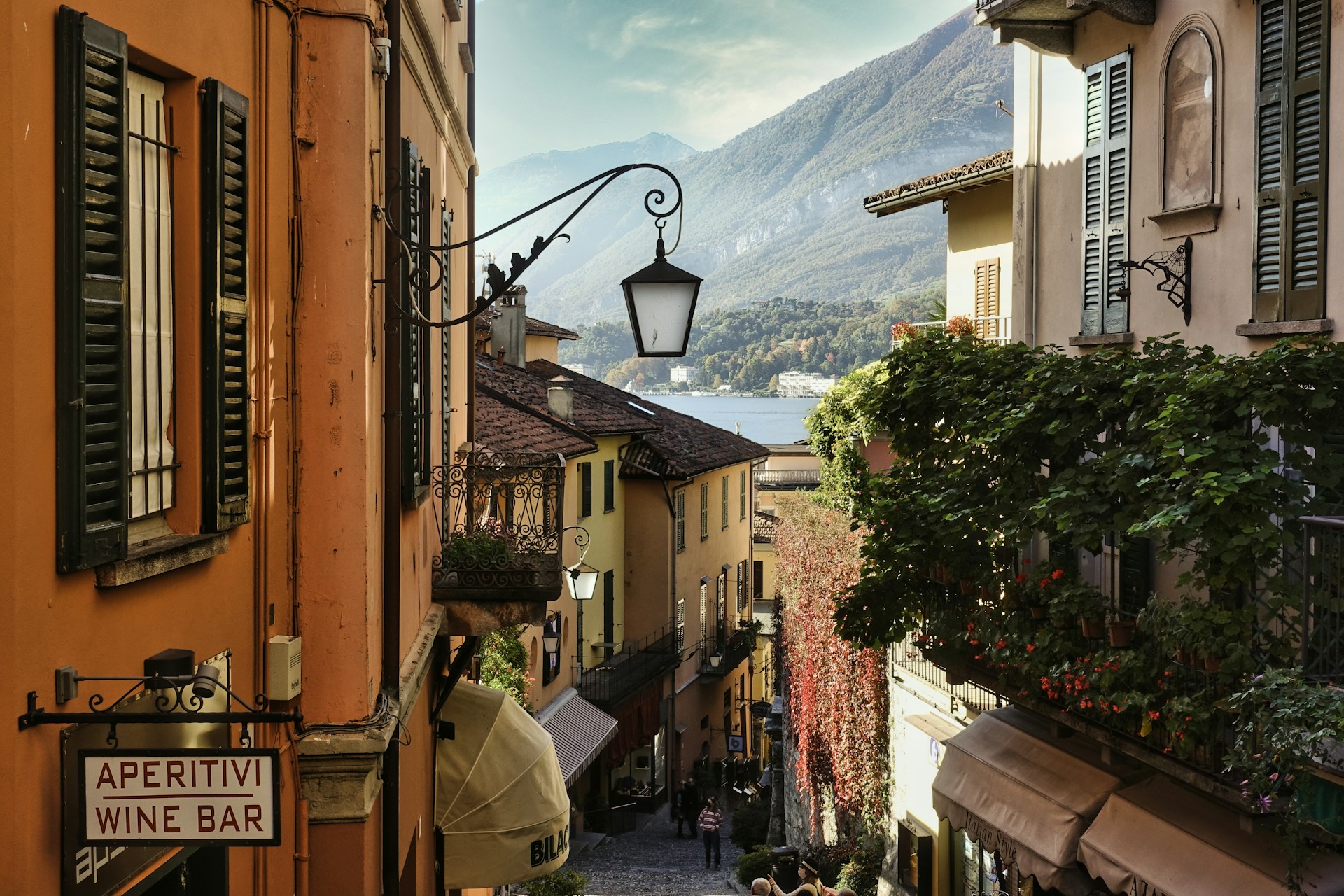
Your La Dolce Vita journey traces aperitivo culture's geographical and historical development, from Turin's vermouth bars to Milan's cosmopolitan aperitivo scenes, from Venice's bacari serving spritz to Rome's elegant wine bars where Campari reigns supreme.
The Hour: Timing as Ritual
Aperitivo occurs at a specific time—typically 6:00 to 8:00 PM—creating a bridge between work and dinner, public and private life. This timing isn't arbitrary but reflects Italian daily rhythms where lunch remains the primary meal, evening comes late, and social connection requires dedicated space.
Unlike American happy hours focused on alcohol discounts and rapid consumption, aperitivo emphasises moderation and lingering. Italians rarely drink without eating, and aperitivo provides the perfect context for combining the two in quantities that whet rather than sate appetites. The goal isn't intoxication but gentle transition from day's responsibilities to evening's pleasures.
Aboard La Dolce Vita, aperitivo hour transforms the train's lounge car into mobile Italian salon. As landscapes transition from day to evening outside panoramic windows, passengers gather for pre-dinner drinks served with Italian precision—proper glassware, correct ice, fresh garnishes—that honour aperitivo's essential elegance.
The Drinks: From Campari to Spritz
Italian aperitivi share common characteristics: moderate alcohol content (usually 11-25%), bitter or herbal flavours that stimulate appetite, and refreshing qualities that suit warm evenings. Yet regional variations create distinct drinking cultures worth exploring.
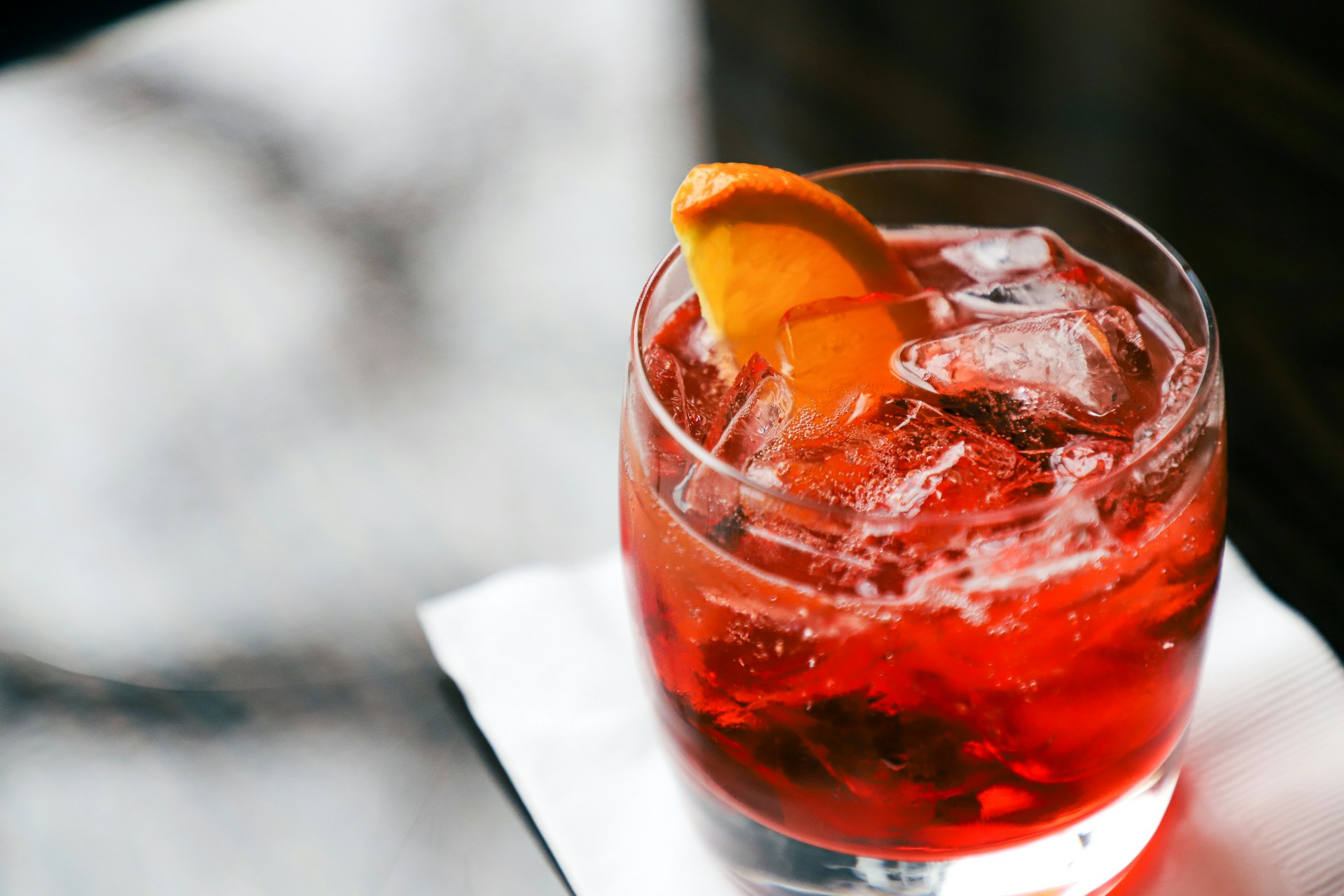
The Negroni, born in 1919 Florence when Count Camillo Negroni requested his Americano be strengthened with gin, has become Italy's most globally recognised aperitivo. Equal parts gin, Campari, and sweet vermouth, garnished with orange, the Negroni balances bitter and sweet whilst maintaining enough alcohol to merit sipping slowly. Its ruby colour catches evening light beautifully—aesthetics matter in aperitivo culture.
.jpg)
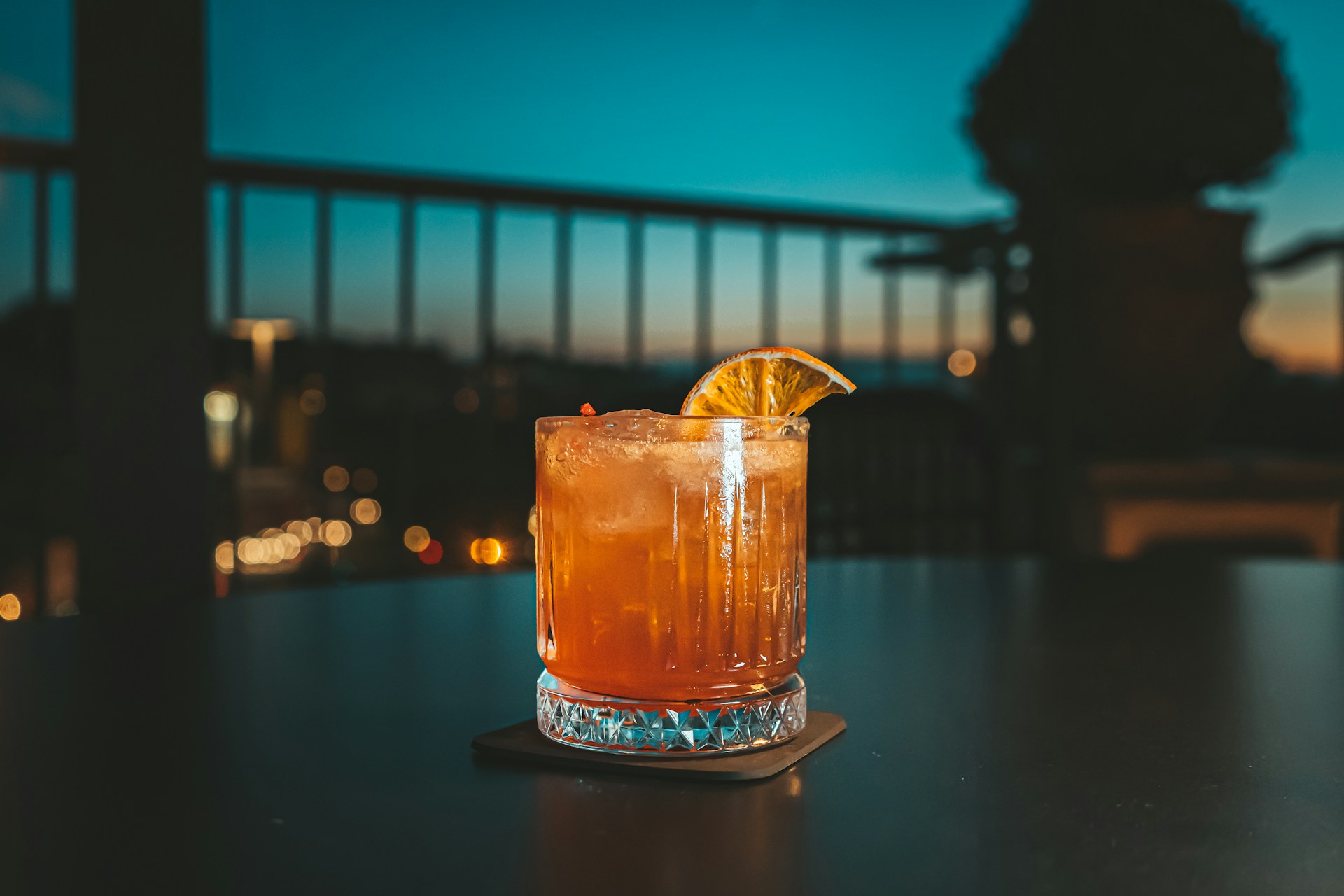
The Spritz, Venice's contribution to aperitivo canon, reflects the city's historical connections with Austria-Hungary. Prosecco, Aperol (or Select in Venice proper), and soda water create a lighter, more refreshing drink perfect for humid Venetian evenings. The Spritz's lower alcohol content and sparkling character make it particularly popular for extended aperitivo sessions where multiple drinks might be consumed.

The Americano, despite its name, is thoroughly Italian—Campari, sweet vermouth, and soda water served over ice. Its name honours the American tourists who popularised this variation in early 20th century Italy. Less alcoholic than the Negroni, the Americano offers Campari's distinctive bitterness in more approachable form.
Prosecco, whilst not strictly an aperitivo cocktail, has become the preferred aperitivo choice in Venice and throughout Veneto. Served simply chilled, often with a green olive garnish, quality Prosecco needs no elaboration—its delicate bubbles and fresh fruit flavours provide perfect introduction to evening dining.
The Snacks: From Minimal to Abundant
Aperitivo food varies dramatically by region and establishment, from simple bowls of olives and potato crisps to elaborate buffets that can substitute for dinner. Understanding these variations reveals different aperitivo philosophies.
Traditional Aperitivo (Turin, Florence, Rome) offers minimal food—perhaps olives, nuts, potato crisps, small sandwiches. The focus remains on drinks and conversation, with food serving merely to prevent drinking on empty stomachs. This approach maintains clear distinction between aperitivo and dinner, ensuring the ritual doesn't replace proper evening meals.
Aperitivo Ricco or Apericena (Milan, Naples) blurs boundaries between aperitivo and dinner. For a fixed price (typically €10-15), patrons receive a drink plus access to buffets featuring risotto, pasta, grilled vegetables, cheeses, cured meats, and desserts. Critics argue this undermines aperitivo's essential character, whilst defenders note it democratises the ritual by providing substantial food at reasonable prices.
Your La Dolce Vita experience follows traditional aperitivo philosophy. Carefully curated snacks—Castelvetrano olives, parmigiano aged 36 months, thin-sliced prosciutto di Parma, marinated artichokes—accompany drinks without overwhelming appetites. This restraint ensures that proper dinners in the train's dining car receive the attention they deserve.
The Settings: Where Italians Gather
Location matters profoundly in aperitivo culture. Italians choose venues not just for drinks but for atmosphere, crowd, and the opportunities for fare bella figura (making good impression) that proper settings provide.
Historic Caffès like Caffè Mulassano in Turin or Caffè Florian in Venice offer aperitivo in settings where generations of Italians have gathered. These institutions maintain traditions—specific drink preparations, formal service, period décor—that connect contemporary aperitivo to historical roots. Prices reflect heritage and location, but the experience transcends mere consumption to become participation in living tradition.
Neighbourhood Bars provide more casual aperitivo experiences where locals gather daily. These establishments emphasise community over glamour, familiar faces over tourist crowds. Regulars occupy preferred spots, bartenders remember drink preferences, and conversation flows easily amongst neighbours who've shared aperitivo for years or decades.
Hotel Bars and Rooftop Terraces offer aperitivo with views—sunset over Rome's domes, Duomo di Milano silhouetted against evening sky, Venice's Grand Canal reflecting twilight's final colours. These venues cater more to tourists and special occasions, trading neighbourhood intimacy for spectacular settings that enhance aperitivo's romantic possibilities.
The Social Dynamics: Connection Over Consumption
Understanding aperitivo requires recognising that it's fundamentally social rather than alcoholic ritual. Italians don't drink to get drunk—they drink to create context for conversation, to mark transitions between daily activities, to participate in shared cultural practice that reinforces community bonds.
Aperitivo provides structure for socialising that otherwise might not occur. Colleagues who wouldn't necessarily arrange dinners together can easily agree to quick aperitivo. Friends catching up don't need to commit to full evening—aperitivo offers finite timeframe that can extend if chemistry warrants but doesn't demand extended commitment. Dating couples can test compatibility during aperitivo hour without the pressure of dinner's intimacy.
The ritual also performs economic levelling. Aperitivo costs remain relatively modest—€6-12 per drink in most cities—making it accessible across class boundaries. Unlike restaurant dining where prices can exclude those with limited means, aperitivo creates democratic space where students, professionals, retirees, and tourists can all participate without financial embarrassment.
Regional Variations: Italy's Aperitivo Diversity
Whilst aperitivo culture unites Italy, regional variations reveal local preferences and historical influences worth understanding.
Turin, vermouth's birthplace, maintains the most traditional aperitivo culture. Here, the ritual emphasises drinks over food, quality over quantity, and maintaining proper distinction between aperitivo and dinner. Historic caffès like Caffè Mulassano have served aperitivo continuously since the 19th century, their recipes and rituals unchanged by modern trends.

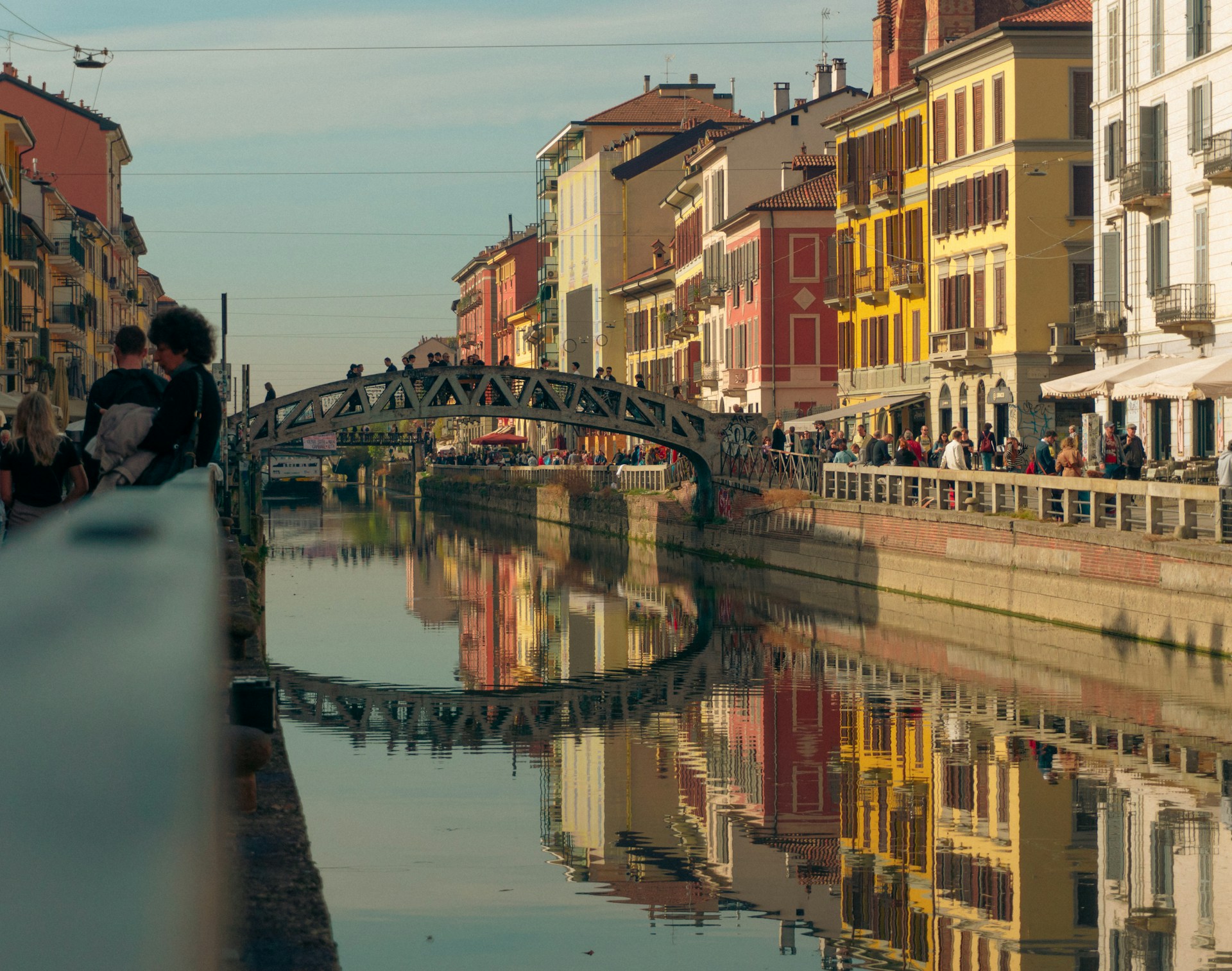
Milan transformed aperitivo into apericena, where elaborate buffets can replace dinner entirely. This innovation reflects Milan's fast-paced business culture where time-pressed professionals appreciate combining social ritual with practical dining. The city's aperitivo scene also skews more expensive and fashion-conscious, with venues in trendy neighbourhoods like Navigli becoming see-and-be-seen destinations.
Venice centres aperitivo around the Spritz and cicchetti (small snacks) consumed whilst standing at bar counters. This more casual approach reflects Venetian bacaro (wine bar) culture where locals move between establishments, sampling different cicchetti and wines throughout evening. The ritual here emphasises variety and movement over extended stays at single venues.

Rome offers aperitivo in settings ranging from neighbourhood trattorias to elegant wine bars in Centro Storico. Roman aperitivo tends toward wine over cocktails, with local Frascati and other Lazio wines featuring prominently. The city's aperitivo also incorporates more substantial food—suppli (fried rice balls), pizza al taglio, and other Roman specialties—reflecting the capital's hearty culinary traditions.

Aperitivo Aboard La Dolce Vita
Experiencing aperitivo aboard a moving train adds dimensions impossible in static venues. As the train glides through Italian countryside, evening light transforms landscapes into living art visible through lounge car windows. Aperitivo becomes not just social ritual but opportunity to experience Italy's beauty during the day's most photogenic hour.
The train's bartenders prepare drinks with the care Italian aperitivo demands. Negronis are stirred precisely 30 seconds over hand-cut ice. Spritzes receive exact Prosecco-Aperol ratios that balance bitter and sweet. Vermouth is poured from bottles that represent Italy's finest producers—Carpano Antica Formula, Cocchi Vermouth di Torino, selections that honour vermouth's Piedmontese origins.
Fellow passengers become temporary aperitivo companions, conversation flowing as easily as drinks. Shared experience of luxury train travel creates instant commonality that facilitates the social connections aperitivo culture exists to nurture. By journey's end, strangers have become friends, connected through repeated aperitivo hours that revealed personalities and created bonds.
Aperitivo's Cultural Significance
Aperitivo reveals essential Italian values: bella figura (making good impression), convivialità (conviviality), and the belief that life's pleasures deserve proper attention rather than hurried consumption. It demonstrates Italian genius for creating structured social rituals that balance individual autonomy with community participation.
In an era of increasing social isolation, where digital communication replaces face-to-face interaction and efficiency trumps enjoyment, aperitivo offers alternative model. It insists that we pause between obligations, that we gather with others for no purpose beyond connection, that pleasure need not apologise for itself but deserves celebration as essential human need.
Your La Dolce Vita experience provides immersion in this philosophy, transforming aperitivo from tourist activity into genuine participation in Italian life's rhythms. You're not merely drinking Negronis—you're participating in cultural practice that has connected Italians across generations, creating temporary communities united by shared appreciation for life's simpler pleasures.
Experience authentic Italian aperitivo culture aboard La Dolce Vita, where evening rituals celebrate connection, quality, and the Italian art of transforming simple pleasures into meaningful traditions. Discover how a pre-dinner drink becomes philosophy about living well.
Share this post

Inside the Seven Stars: The Making of Japan's Most Luxurious Train
Go behind the scenes of the Seven Stars' creation, where master craftsmen...