The Last Great Wilderness: Africa's Unexplored Safari Territory
Discover untouched corners of Africa accessible only by luxury rail

Beyond the Beaten Path
When most travellers think of African safari, they imagine the familiar circuit of Masai Mara, Serengeti, and perhaps a brief stop at Victoria Falls. But Africa's true wilderness lies in the spaces between these well-trodden destinations—vast territories that remain largely untouched by mass tourism, accessible only to those willing to venture off the conventional path.
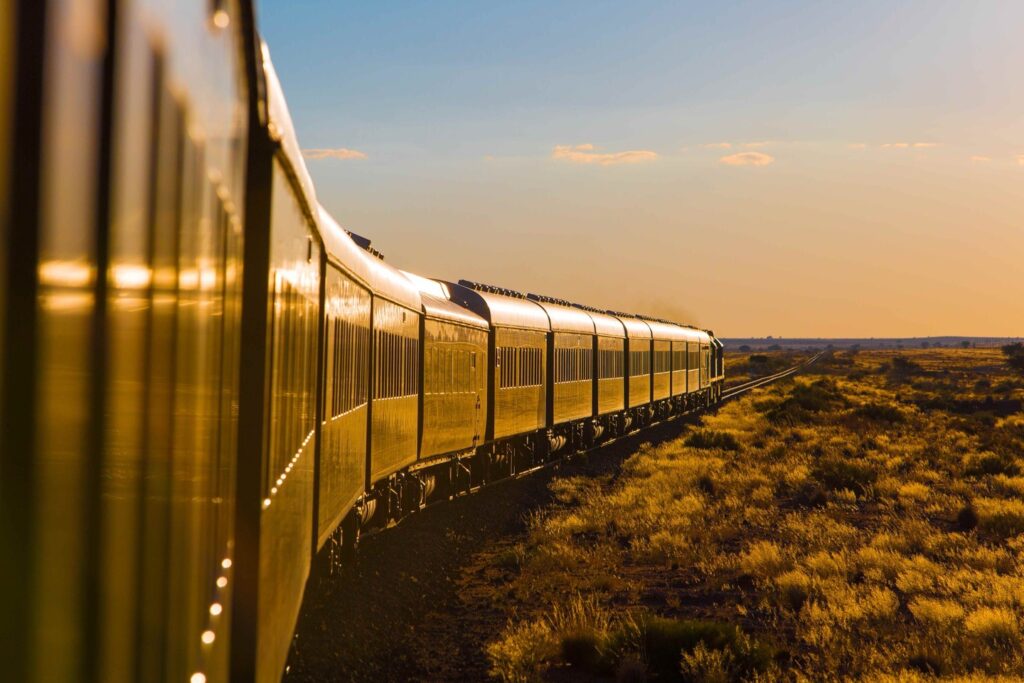
The luxury rail safari represents the revival of how Africa was originally explored: slowly, deliberately, and with a deep respect for the landscapes being traversed. Unlike fly-in safaris that hop between destinations, the railway journey creates a sense of expedition, allowing travellers to witness the gradual transformation of terrain from the comfort of their private suite.
The Kruger Ecosystem: More Than Big Five
Most visitors to Kruger National Park tick off the Big Five and consider their mission accomplished. But this UNESCO World Heritage candidate represents something far more complex—an entire ecosystem the size of Wales, containing over 135 mammal species and 500 varieties of birds.
The park's lesser-known areas reveal Africa's most authentic wilderness experiences. In the northern reaches near Pafuri, ancient baobab trees stand sentinel over landscapes that haven't changed since the first humans walked these plains. The Makuleke Concession offers access to the confluence of the Limpopo and Luvuvhu rivers, where crocodiles bask in the same spots their ancestors claimed centuries ago.
Railway Corridors: Africa's Secret Wildlife Highways
The railway lines that cross Southern Africa weren't just built for human transportation—they've become crucial wildlife corridors that connect protected areas across vast distances. From your observation car, you'll witness animal behaviour that road-bound visitors never see.
Elephants have learned to use railway embankments as highways, particularly during the dry season when the elevated tracks provide easier walking than the surrounding bush. Predators often hunt along these cleared corridors, knowing that prey animals use them for movement between feeding areas.
The AmaShangaan Cultural Territory
The lands surrounding Kruger aren't just wildlife habitat—they're the ancestral territory of the AmaShangaan people, whose relationship with this ecosystem predates any national park designation. Luxury rail safaris offer rare opportunities to engage with local communities whose traditional knowledge has shaped conservation practices for generations.
The seasonal camps within Kruger honour this heritage through design elements that reflect AmaShangaan culture. Traditional building techniques are combined with modern comfort to create accommodations that feel authentic rather than imposed upon the landscape.
Seasonal Wilderness Secrets
True wilderness adventure requires understanding Africa's seasonal rhythms. The best safari experiences follow ancient patterns of migration and breeding that have governed African wildlife for millennia.
During the dry season (May to September), animals concentrate around permanent water sources, creating spectacular viewing opportunities. The Satara area of Kruger becomes a natural amphitheatre where predator-prey dramas unfold against the backdrop of iconic African sunsets.
Wet season adventures (October to April) reveal a different Africa entirely. The landscape transforms into a green paradise where migratory birds arrive in massive flocks, and newborn animals take their first tentative steps into the wild.
Conservation Through Luxury Travel
Modern safari adventure carries responsibility as well as privilege. The revenue from luxury rail safaris directly supports conservation initiatives that protect endangered species and maintain habitat corridors essential for wildlife survival.
Partnerships with organisations like the Hoedspruit Endangered Species Centre ensure that your adventure contributes to meaningful conservation work. From rhino anti-poaching efforts to African wild dog breeding programmes, luxury travel becomes a force for positive change.
The Night Sounds of Africa
Perhaps the most profound wilderness experience comes not from what you see, but what you hear. Spending nights in luxury tented camps deep within Kruger offers access to Africa's nocturnal symphony—sounds that have remained unchanged since the dawn of human consciousness.
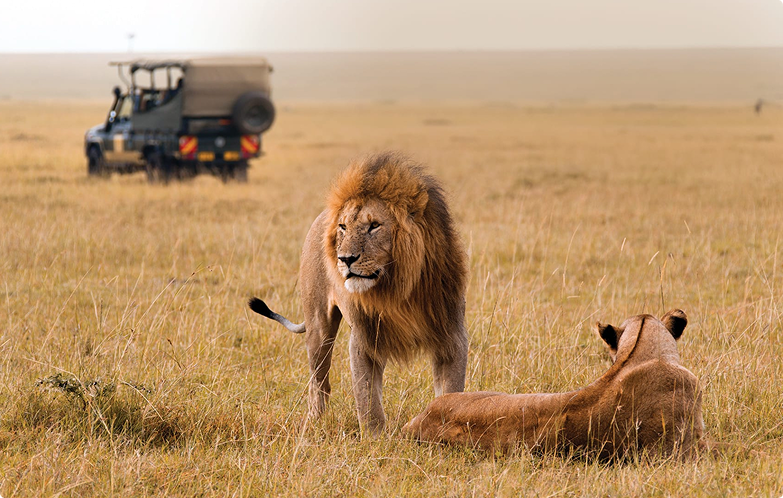
The territorial roar of lions carries for kilometres across the African night, while the haunting call of hyenas speaks to something primal in every listener. These sounds represent wilderness in its purest form, unfiltered by the noise of modern civilisation.
Adventure with Purpose
The last great wilderness areas of Africa face unprecedented challenges from climate change, habitat fragmentation, and human population pressure. Choosing a luxury rail safari represents more than personal adventure—it's an investment in the future of African wilderness.
Every journey supports local communities, funds conservation research, and demonstrates that wilderness has value beyond its extractable resources. This is adventure travel at its most meaningful: exploration that contributes to preservation rather than exploitation.
For those seeking genuine wilderness adventure, the luxury rail safari offers access to Africa's last great untouched territories. These are experiences that cannot be replicated elsewhere on earth—journeys into landscapes where the ancient rhythms of the continent still govern daily life.
Share this post
The Art of Aperitivo: Italy's Evening Ritual of Connection
Discover aperitivo, Italy's evening ritual that transforms drinks and snacks...