Conservation Heroes of Kruger: The People Protecting Africa's Wildlife
Meet the rangers, researchers, and community leaders protecting Kruger...

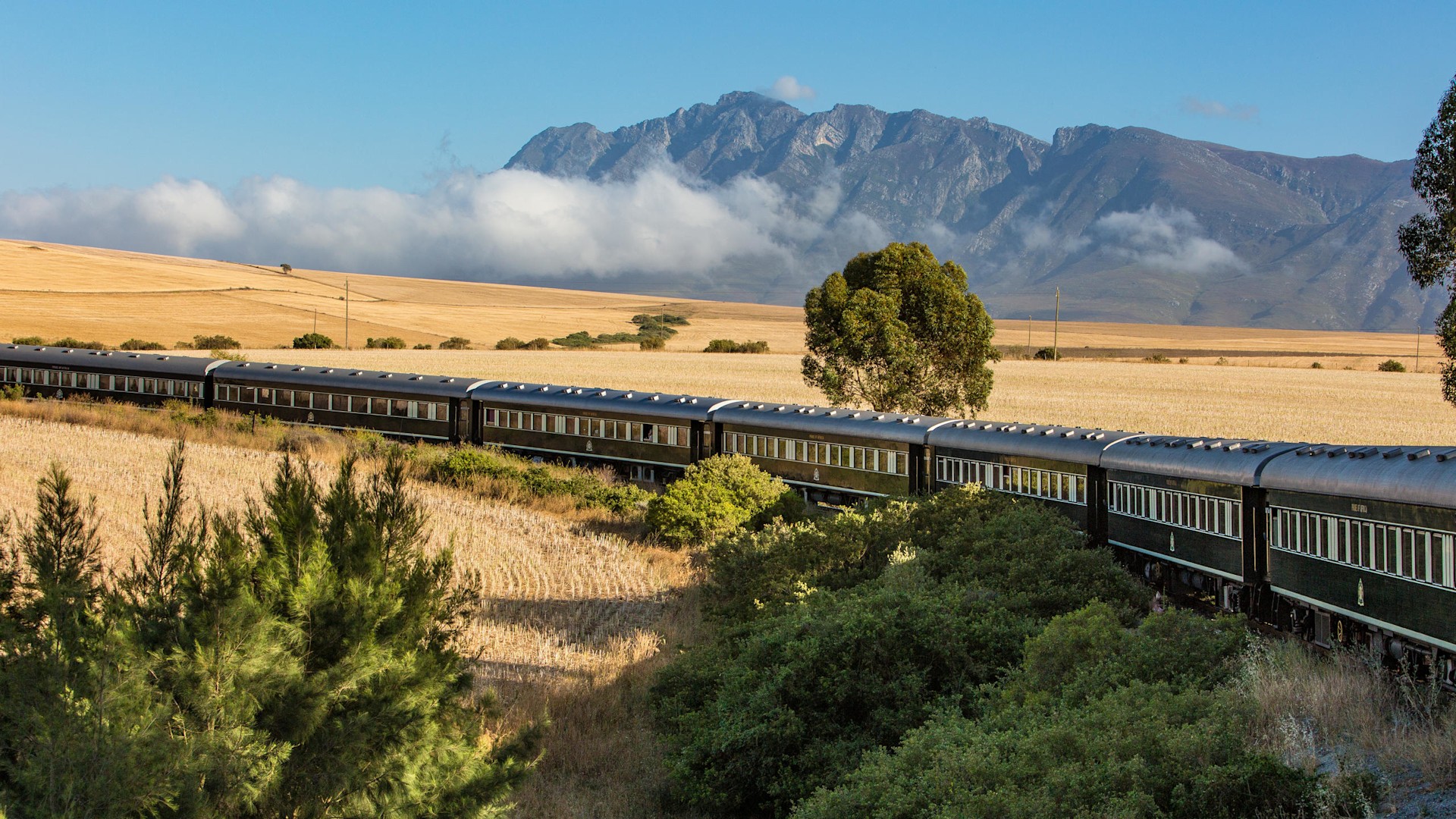
Behind Kruger National Park's spectacular wildlife encounters stand individuals whose dedication, courage, and innovation protect Africa's natural heritage. Your Rovos Rail journey provides opportunities to meet these conservation heroes—rangers, researchers, and community leaders—whose stories reveal both the challenges and triumphs of modern wildlife preservation.
The Anti-Poaching Rangers: Frontline Defenders
At 3 AM, whilst luxury train passengers sleep comfortably in Edwardian suites, anti-poaching rangers begin their patrols through Kruger's vast wilderness. These men and women risk their lives daily to protect rhinoceros, elephant, and other species targeted by international trafficking networks that value wildlife parts above human life.
During your Kruger visit, you might meet rangers like Sergeant Hlongwa (name changed for security), who has served Kruger's protection unit for 15 years. His weathered face and alert eyes reflect years of tracking poachers through dense bush, often engaging armed criminals in firefights where ranger casualties are genuine risks. Yet he speaks passionately about protecting wildlife for future generations—a commitment that transcends mere employment.
Modern anti-poaching efforts combine traditional tracking skills with advanced technology. Rangers use thermal imaging, drone surveillance, and predictive analytics to anticipate poacher incursions. Yet ultimately, success depends on human dedication—rangers willing to spend weeks in remote bush camps, separated from families, enduring discomfort and danger to safeguard Africa's natural heritage.

Dr. Sam Ferreira: Elephant Whisperer
Dr. Sam Ferreira, Kruger's Large Mammal Specialist, has dedicated his career to understanding elephant behaviour and population dynamics. His research informs management decisions that balance elephant conservation with ecosystem health—a delicate equilibrium where both elephant welfare and broader biodiversity must be considered.
Ferreira's work challenges simplistic conservation narratives. Elephants, whilst magnificent, can dramatically alter landscapes when populations exceed ecosystem carrying capacity. Trees essential for numerous other species suffer under elephant pressure. The question isn't merely "how many elephants can we protect?" but "how do we ensure entire ecosystems remain healthy for all species?"
During privileged encounters arranged through your Rovos Rail experience, Ferreira shares insights from decades observing elephant families. He explains how matriarchs remember drought survival strategies across generations, how young bulls learn appropriate behaviour through elder guidance, and how elephant society's complexity rivals our own. These conversations transform elephant viewing from mere sightseeing into genuine appreciation for Africa's most iconic species.
Community Conservation Leaders
Successful conservation requires local community support—people living adjacent to parks must benefit from wildlife protection rather than viewing animals as threats to crops and livestock. Leaders like Miriam Khosa work at this crucial intersection between conservation and community development.
Khosa manages programmes that employ local residents in tourism, guide training, and craft production, ensuring that Kruger's economic benefits reach surrounding communities. Her work demonstrates that conservation succeeds not through fortress approaches that exclude humans but through inclusive models that make wildlife protection aligned with local interests.
During your Rovos Rail journey, visits to community projects reveal how conservation creates economic opportunities. Women's cooperatives produce crafts sold to tourists, young people train as guides and rangers, farmers adopt wildlife-friendly agricultural practices that reduce human-wildlife conflict. These initiatives, championed by leaders like Khosa, ensure that conservation benefits both wildlife and people.
The Veterinary Team: Wildlife Medicine on the Frontline
Dr. Leana de Necker, Kruger's Senior State Veterinarian, performs medical miracles in conditions that would challenge any doctor. Her patients can't describe symptoms, weigh several tonnes, and often resist treatment vigorously. Yet her team's work—treating snared animals, managing disease outbreaks, conducting health assessments—is essential for maintaining healthy wildlife populations.
If fortunate during your visit, you might witness a rhino immobilisation where veterinary teams dart, examine, and treat these critically endangered animals. Watching professionals work with precision under time pressure—immobilised rhinos can overheat fatally within minutes—reveals the skill and dedication required for wildlife medicine.
De Necker's work increasingly focuses on emerging diseases that threaten wildlife populations. Climate change alters disease patterns, whilst human encroachment brings wildlife into contact with domestic animal pathogens. Her research and rapid-response protocols protect not just individual animals but entire species from potential pandemics.
Field Researchers: Science Informing Conservation
Dr. Michelle Henley has spent over two decades studying elephant ecology in regions adjacent to Kruger. Her NGO, Elephants Alive, conducts research that informs conservation policy across southern Africa. Through patient observation and innovative technology—GPS collars, camera traps, genetic sampling—Henley's team reveals elephant behaviour patterns that management decisions must accommodate.
Her research demonstrates elephants' sophistication in ways that change how we view these animals. Elephants remember water sources across decades, navigate complex social alliances that span generations, and demonstrate problem-solving abilities rivalling primates. Understanding this intelligence makes clear why conservation approaches must respect elephant autonomy whilst managing populations sustainably.
Your Rovos Rail experience might include briefings by researchers like Henley, who share findings that transform wildlife viewing into genuine education. Learning that the elephant family you're photographing has generational relationships spanning 60 years, that the matriarch remembers droughts from her youth, that the young calf will carry memories of this day throughout its life—these insights add layers of meaning to wildlife encounters.
The K9 Units: Dogs Defending Wildlife
Johann Malan oversees Kruger's K9 anti-poaching unit, where specially trained dogs track poachers with success rates exceeding human-only teams. These working dogs—bloodhounds, Belgian Malinois, and other breeds—possess olfactory abilities that make them invaluable in combating poaching.
A dog named Sky achieved legendary status by tracking poachers across 15 kilometres of difficult terrain, leading rangers to arrests that prevented multiple rhino killings. Yet Sky and her colleagues face real dangers—poachers sometimes poison or shoot dogs to avoid capture. The handlers' devotion to these canine partners, whom they view as colleagues rather than tools, demonstrates the deep bonds formed in conservation's frontline struggles.
Meeting these K9 units during your Rovos Rail visit reveals an often-overlooked aspect of conservation work. The dogs' enthusiasm, despite the dangers they face, mirrors the dedication of all individuals working to protect Africa's wildlife.
The Trackers: Traditional Knowledge Meets Modern Conservation
Renias Mhlongo and Alex van den Heever, renowned trackers featured in documentaries worldwide, represent a crucial conservation resource: traditional tracking knowledge passed through generations. These skills—reading spoor, interpreting animal behaviour from subtle signs, predicting wildlife movements—developed over millennia remain irreplaceable despite technological advances.
During game drives included in your Rovos Rail experience, you'll benefit from trackers' expertise. Watching a skilled tracker read days-old spoor like a book, reconstruct wildlife encounters from disturbed soil, and predict where animals will appear demonstrates knowledge systems that Western education often undervalues but conservation desperately needs.
Efforts to preserve this traditional knowledge face challenges. Younger generations often prefer urban careers to bush life. Conservation organisations increasingly prioritise training programmes that pass tracking skills to new practitioners, recognising that losing this knowledge would devastate wildlife management capabilities.
Women in Conservation: Breaking Barriers
Felicia Moghatle represents a new generation of Black female rangers breaking into a field traditionally dominated by White males. Her journey from rural village to Kruger ranger involved overcoming financial barriers, family scepticism about women in dangerous professions, and industry prejudices about who belongs in conservation.
Today, she patrols Kruger with the same authority as any ranger, whilst serving as role model for young women who previously saw conservation careers as unattainable. Her success demonstrates how diversifying conservation workforces strengthens both social justice and environmental protection—bringing new perspectives that improve decision-making whilst expanding the base of people invested in wildlife protection.
Meeting rangers like Moghatle during your Rovos Rail journey reveals conservation's human dimension. Wildlife protection isn't merely technical challenge but social transformation requiring inclusion of all communities in shared heritage's stewardship.
The Next Generation: Youth Conservation Leaders
Programmes like the Kruger Lowveld Conservation Training Academy prepare young South Africans for conservation careers, providing education in ecology, wildlife management, and eco-tourism. These trainees represent conservation's future—increasingly diverse, locally rooted, and committed to protecting natural heritage whilst ensuring it benefits surrounding communities.
Students like Thandi Nhlapo dream of becoming wildlife veterinarians, inspired by seeing women like Dr. de Necker succeed in fields once closed to Black South Africans. Her education, funded by conservation bursaries, demonstrates how investing in young people creates sustainable conservation by building local expertise and stakeholder buy-in.
Your Rovos Rail experience might include visits to these training programmes, where you meet individuals who will shape African conservation for decades. Their passion, despite the field's challenges and modest salaries, reveals that conservation attracts people driven by purpose rather than profit—individuals committed to protecting Africa's natural heritage regardless of personal sacrifice.
International Partnerships: Global Support for Local Heroes
Whilst local conservationists provide frontline protection, international partners provide crucial financial and technical support. Organisations like the World Wildlife Fund, African Wildlife Foundation, and smaller NGOs fund anti-poaching units, research projects, and community development initiatives that resource-constrained governments cannot fully support.
These partnerships work best when they empower rather than overshadow local expertise. International funding and technology transfer matter, but conservation ultimately succeeds or fails based on local commitment. The most effective partnerships support existing local efforts rather than imposing external solutions that ignore community knowledge and needs.
Understanding this partnership model helps Rovos Rail passengers appreciate how their travel contributes to conservation. Tourism revenue supports ranger salaries, funds research, and creates economic incentives for wildlife protection. Luxury travel, when conducted responsibly, becomes conservation's ally rather than its enemy.
The Personal Cost of Conservation
Conversations with conservation heroes reveal the field's personal costs. Rangers die in anti-poaching operations. Researchers spend years in remote locations, sacrificing family time for scientific knowledge. Veterinarians endure emotional trauma when treating injured animals that cannot be saved. Community leaders face criticism from neighbours who resent conservation restrictions on land use.
Yet these individuals persist, driven by commitment to something larger than personal comfort. Their dedication reminds us that conservation isn't abstract environmentalism but concrete actions by real people who choose daily to protect what they love despite the costs.
Your Rovos Rail journey provides rare opportunity to meet these heroes, learn their stories, and understand that wildlife protection depends ultimately on human courage, dedication, and sacrifice. The Big Five encounters that delight passengers exist only because individuals risk everything to ensure these magnificent animals survive.
Meet the conservation heroes protecting Kruger's wildlife during your Rovos Rail journey. Discover how rangers, researchers, and community leaders safeguard Africa's natural heritage through dedication that transforms wildlife protection from abstract policy into personal mission.
Share this post

The Art of Aperitivo: Italy's Evening Ritual of Connection
Discover aperitivo, Italy's evening ritual that transforms drinks and snacks...